
Standard delivery is free in Belgium and Luxembourg for any order over 150€ More Infos
Free delivery from €150 throughout the Benelux
Lighting is much more than just a source of illumination it is the soul of your space. It shapes the atmosphere, highlights your decorative elements, and plays a key role in the functionality of every room. Whether you are renovating your home or simply looking to refine its ambiance, choosing the right lighting fixtures and mastering your lighting design is essential.
Here are a few simple tips to help you create lighting that is both elegant, functional, and perfectly suited to your lifestyle.
Before diving into purchasing lighting fixtures, it is essential to understand the specific role of each type of lighting. Every lighting type serves a distinct purpose, contributing to the overall harmony of your interior.
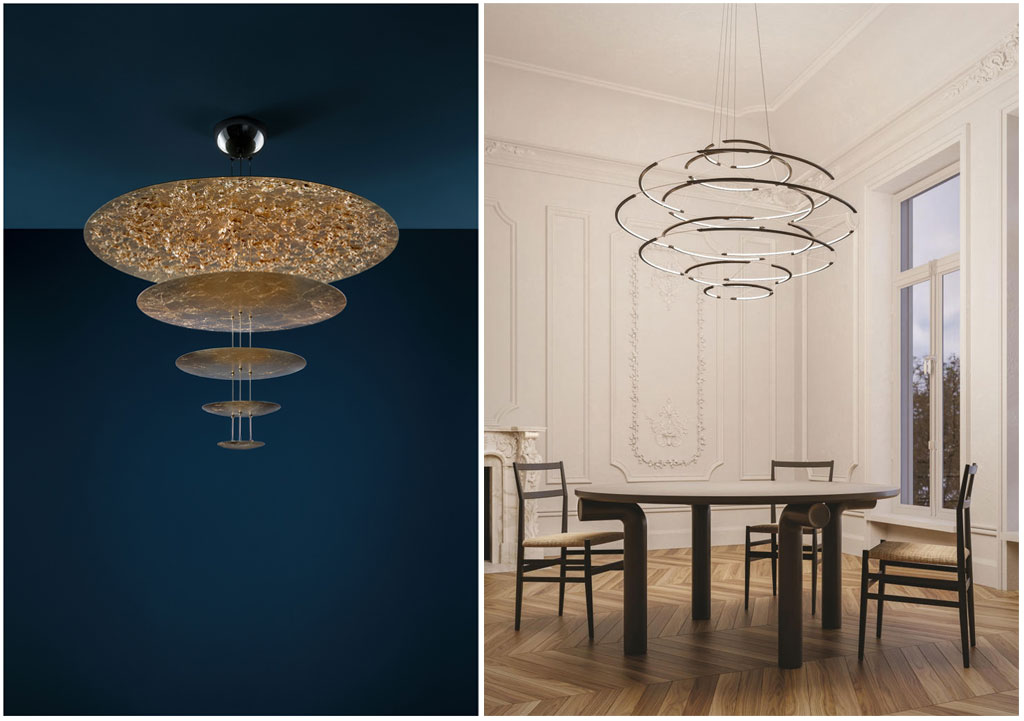
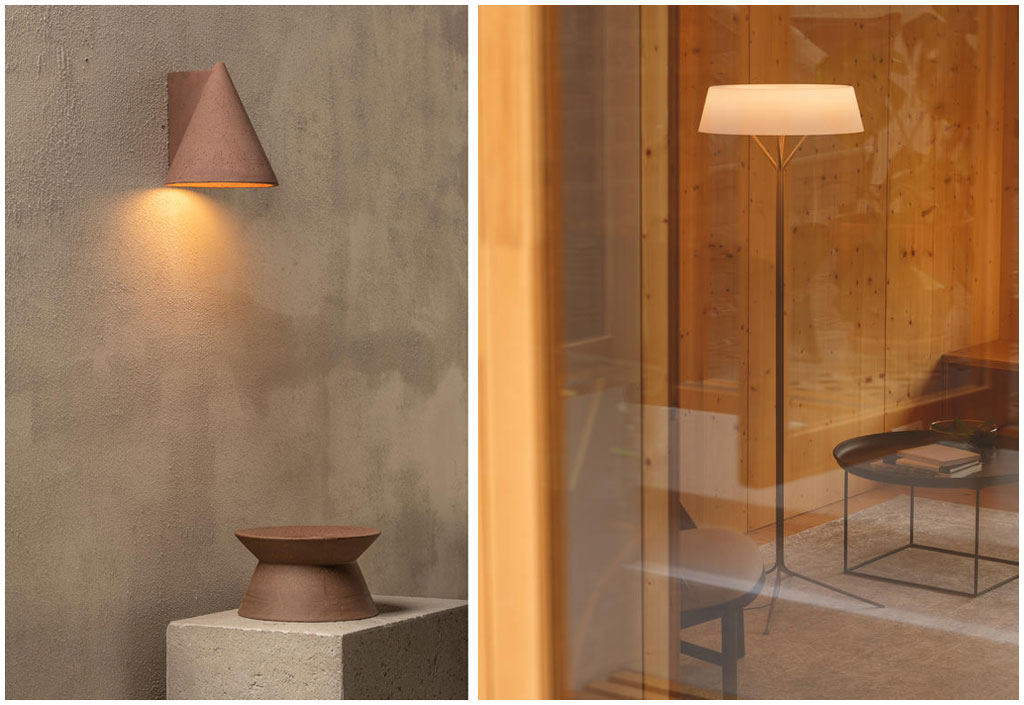
Light intensity the amount of light emitted in all directions by a light source is a key factor in creating the right atmosphere and meeting the specific needs of each space. It is measured in lumens (lm). The lumen output of a light source is one of the technical specifications systematically provided by manufacturers.
There is no single answer to this question, as the required amount of light depends on several factors: the size of the room, ceiling height, wall and furniture colors (some surfaces reflect light better, while others absorb it more), and the activities carried out in the space.
However, here are some general guidelines to help you choose the right LED bulb for each type of room. These recommendations are based on the ideal illumination in lumens per square meter (lm/m²) for common activities in these areas:
Living room: Lighting should be flexible, providing both comfortable general lighting and a cozy ambient atmosphere. The recommended light intensity for a living room is between 100 and 300 lm/m². For general lighting, choose moderately powerful pendant lights or ceiling fixtures, complemented by accent lamps that provide a soft, warm glow. Dimmable bulbs are especially useful, as they allow you to adjust the brightness depending on the time of day and the desired mood.
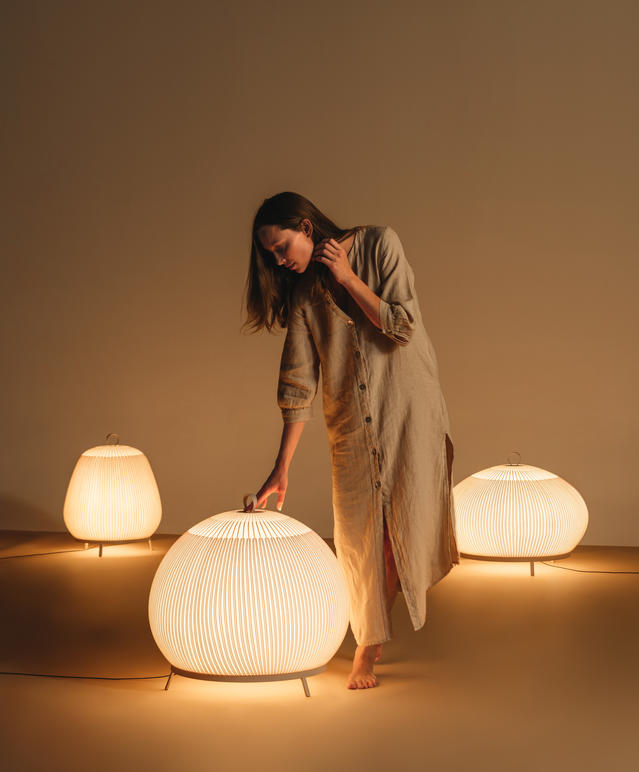
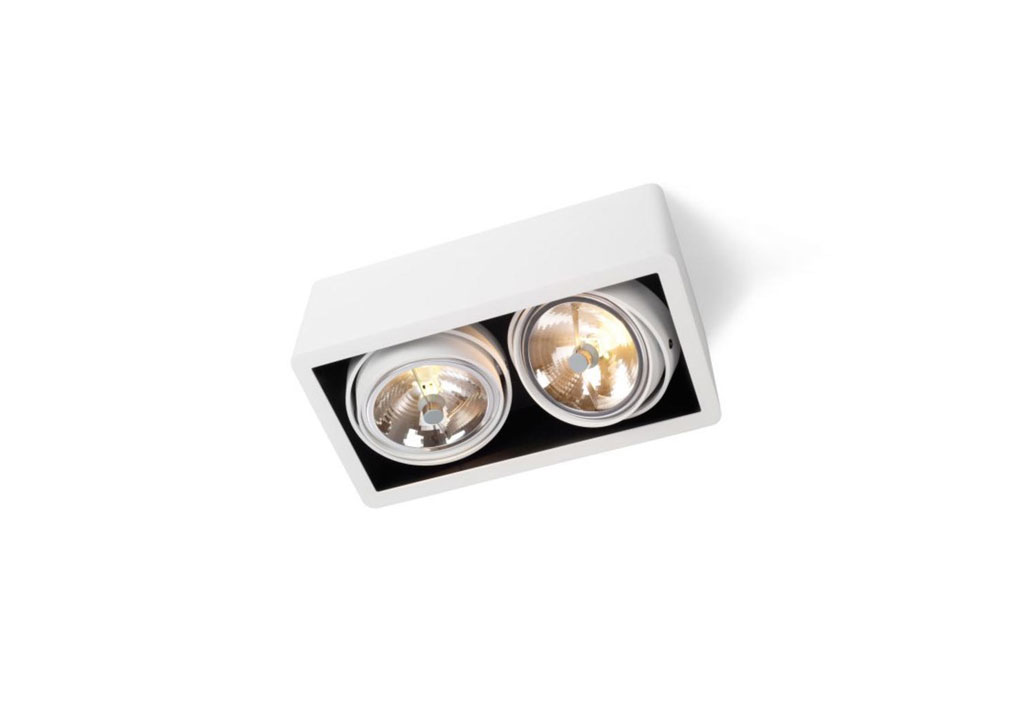
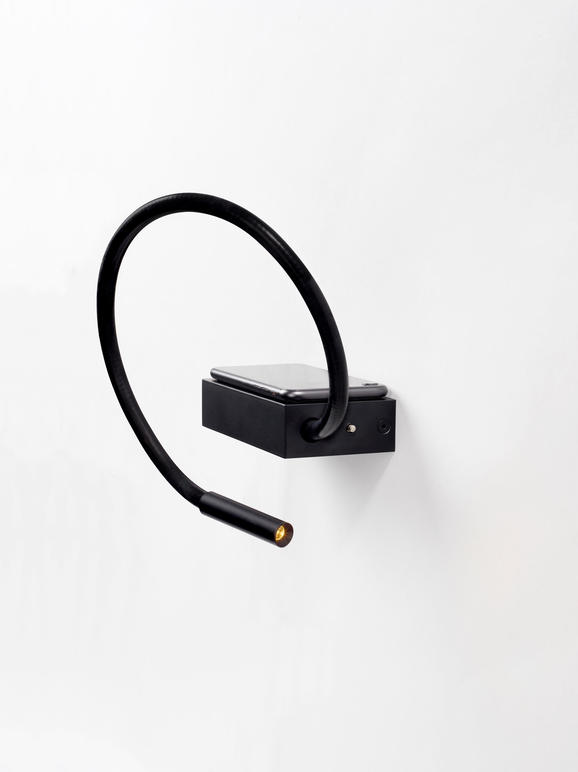
Light temperature, measured in Kelvin (K), also influences the atmosphere of your rooms. Here are the three main types to consider:
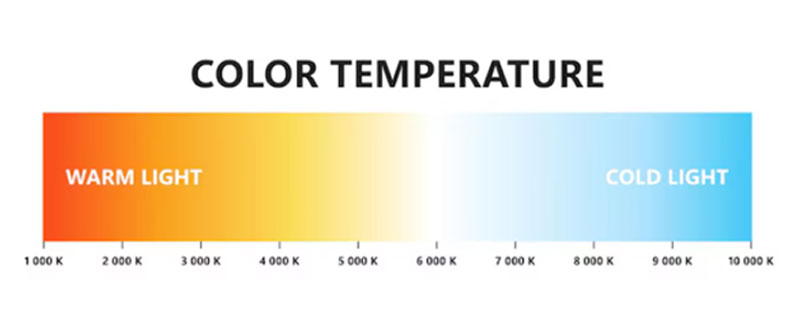
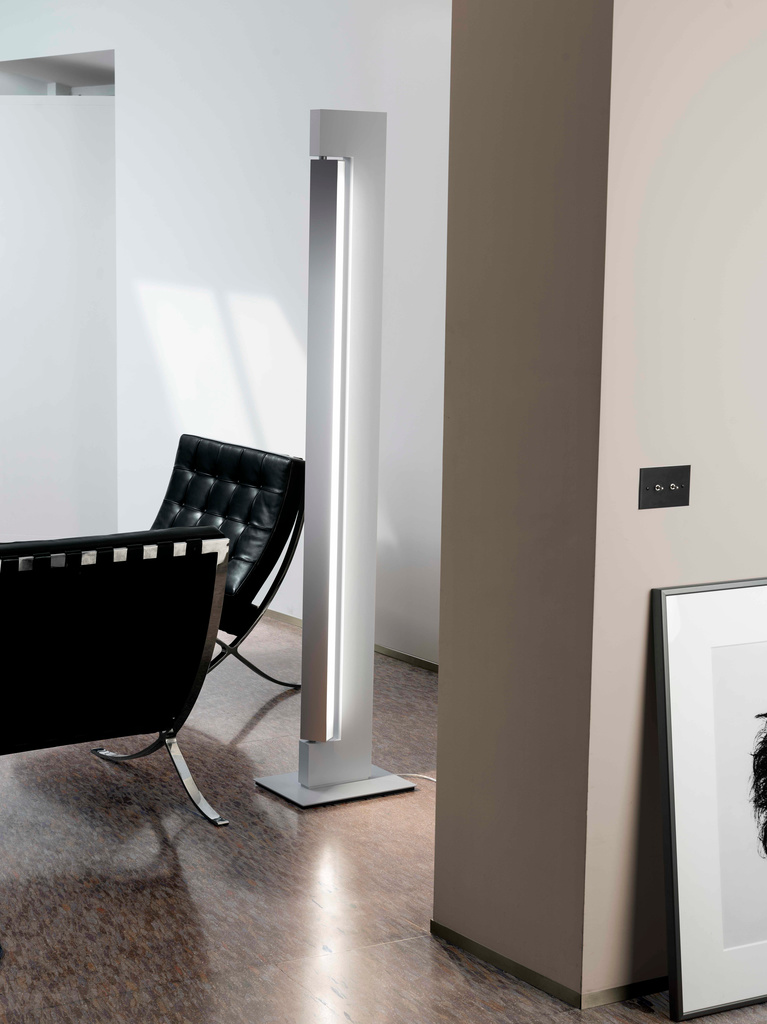
Make sure to choose the light temperature that best matches the function of the room in order to achieve the desired effect.
Lighting fixtures are not just sources of illumination; they are also decorative elements that enhance and complete your interior design. The design of your lighting should harmonize with your home’s overall style.
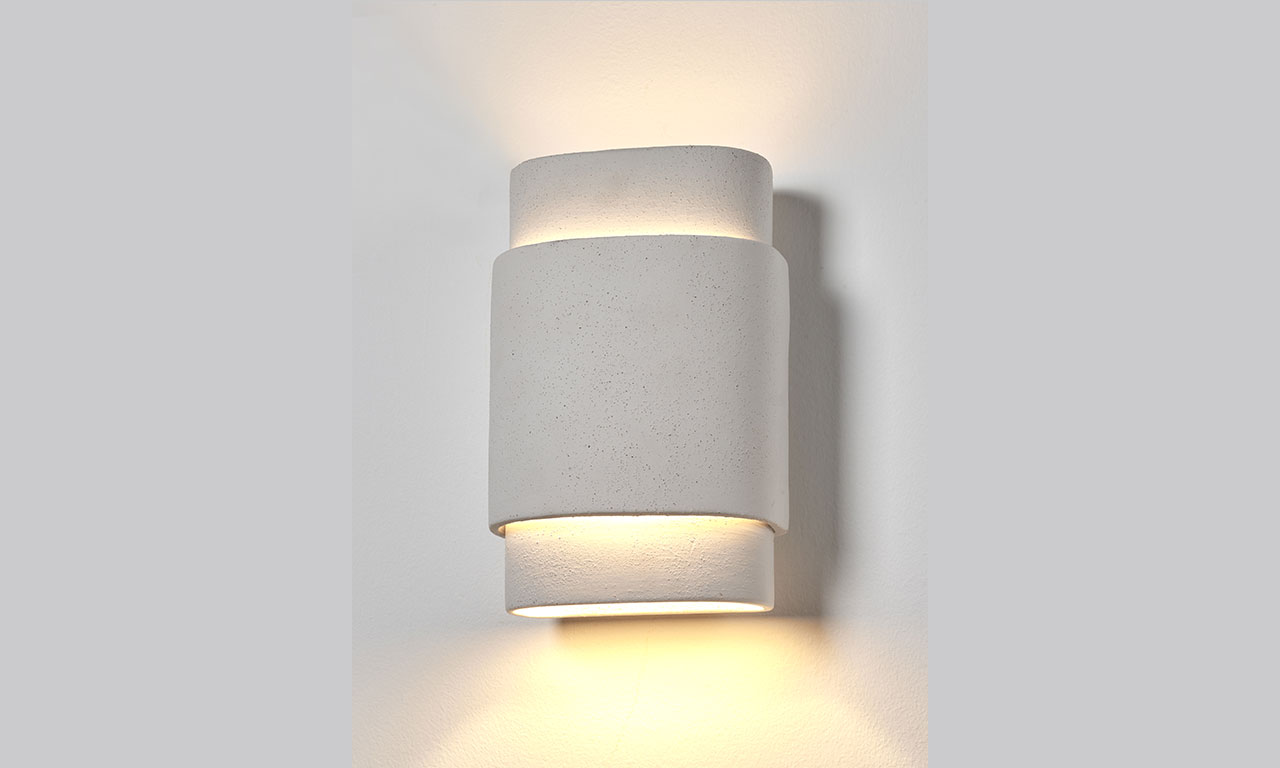
In 2025, sculptural lighting fixtures are very much in vogue. These designs combine artistic expression with functional lighting, becoming true statement pieces in interior décor.
LED bulbs are a must-have: they consume less energy, last significantly longer, and provide light quality comparable to traditional bulbs. For added convenience, you can also opt for dimmable or smart bulbs, allowing you to control light intensity remotely and adjust it according to your needs while saving energy.
Conclusion: Create Harmonious and Functional Lighting That Elevates Your Interior
Well-chosen lighting transforms a space into a welcoming and functional environment. It enhances your furniture, adds depth, and creates the perfect atmosphere for every moment. By considering the specific needs of each room, playing with light intensity and temperature, and selecting designs that match your style, you can achieve perfectly balanced and harmonious lighting.
Explore our collection of contemporary lighting fixtures to find the ideal pieces that will illuminate your home with elegance and modernity.
*Not valid in conjunction with any other ongoing promotions.