
Standard delivery is free in Belgium and Luxembourg for any order over 150€ More Infos
Free delivery from €150 throughout the Benelux
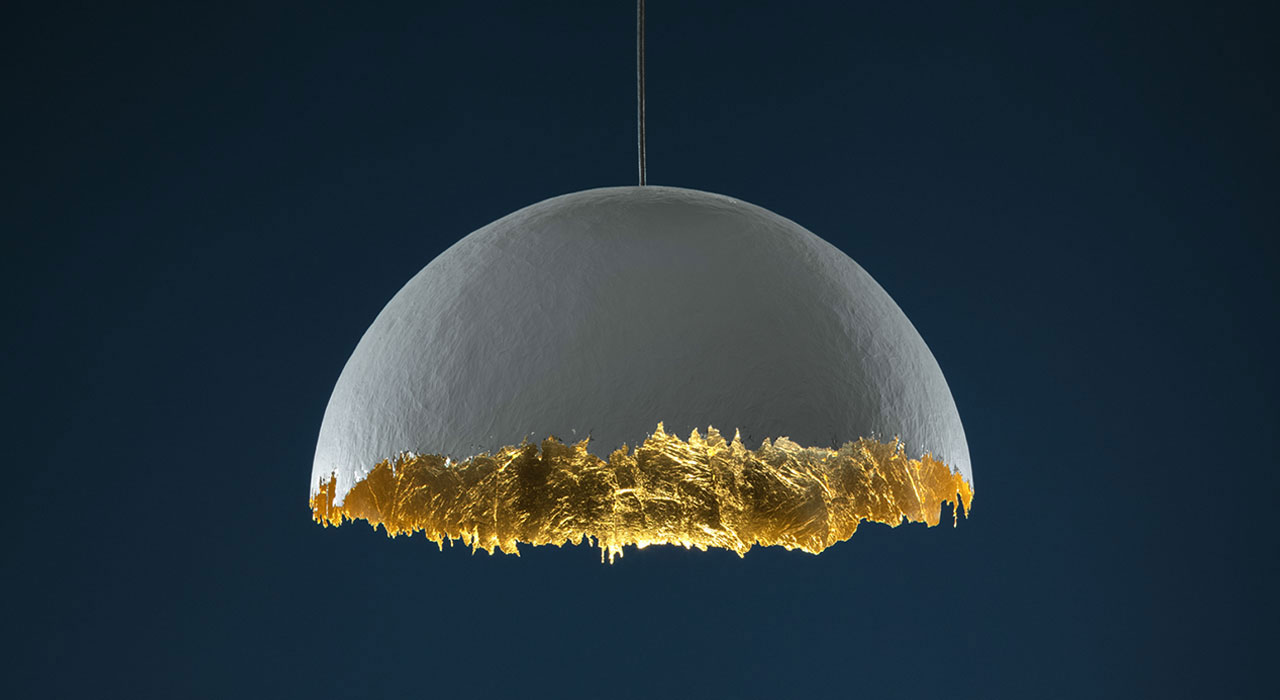
Lighting plays a fundamental role in interior design. It shapes spaces, highlights materials, and directly influences the atmosphere of a room. Whether it is a designer pendant light, a wall sconce, a contemporary floor lamp, or recessed spotlights, each fixture serves a specific function and contributes to the overall balance of the space.
A successful lighting project depends not only on the aesthetic choice of luminaires, but also on understanding key technical parameters such as lumens, color temperature, CRI (Color Rendering Index), IP rating, and dimming systems. This guide will help you design interior lighting that is both elegant and comfortable, perfectly adapted to each use.
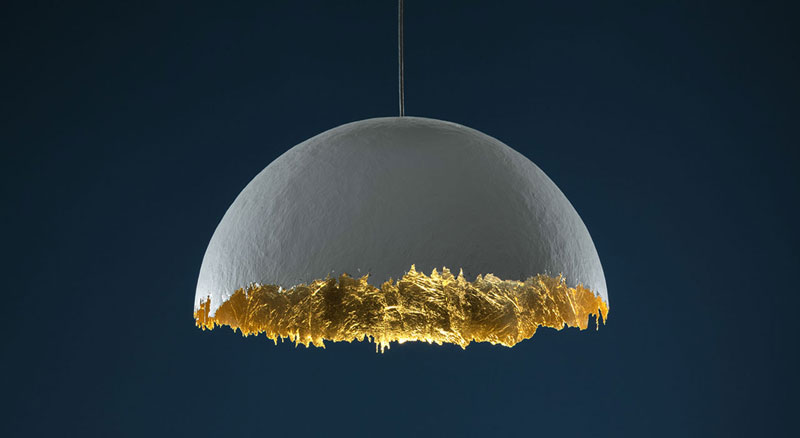
Pendant light POSTKRISI 49 – Catellani & Smith
Lumens (lm) indicate the total amount of light emitted by a light source.
Lux (lx), on the other hand, measures the amount of light actually received on a surface.
1 lux equals 1 lumen per m². The higher the number of lumens, the greater the light intensity.
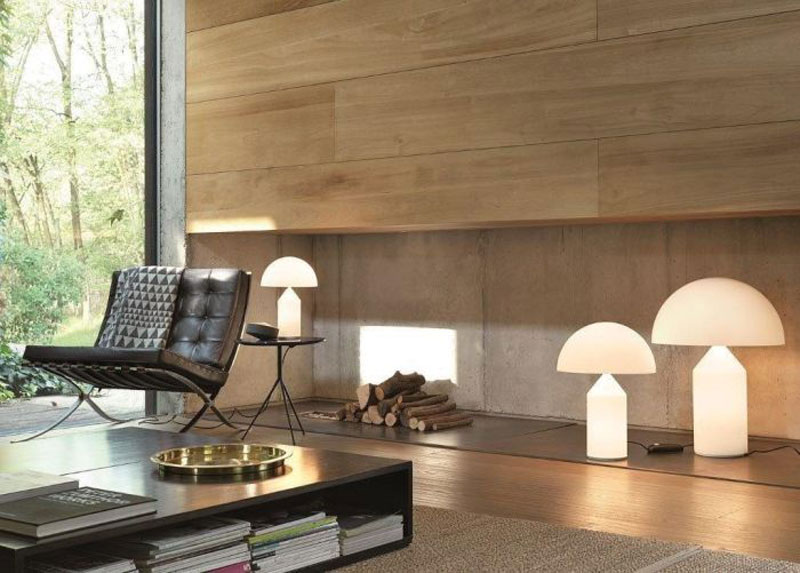
The ideal light intensity depends on the function of the room, ceiling height, materials used, wall colors, and the amount of natural light available, among other factors.
| Room | Recommended lux | Lumens / m² | Purpose |
|---|---|---|---|
| Living room | 100–200 lux | 100–300 lm/m² | Flexible, comfortable atmosphere |
| Dining room | 150–300 lux | 150–300 lm/m² | Highlighting the dining table |
| Kitchen | 300–500 lux | 300–500 lm/m² | Functional and precise lighting |
| Bedroom | 100–150 lux | 100–150 lm/m² | Soft, relaxing light |
| Bathroom | 200–400 lux | 200–400 lm/m² | Even lighting without shadows |
| Hallway / staircase | 50–100 lux | 50–100 lm/m² | Orientation and circulation |
| Home office | 300–500 lux | 300–500 lm/m² | Focus and visual comfort |
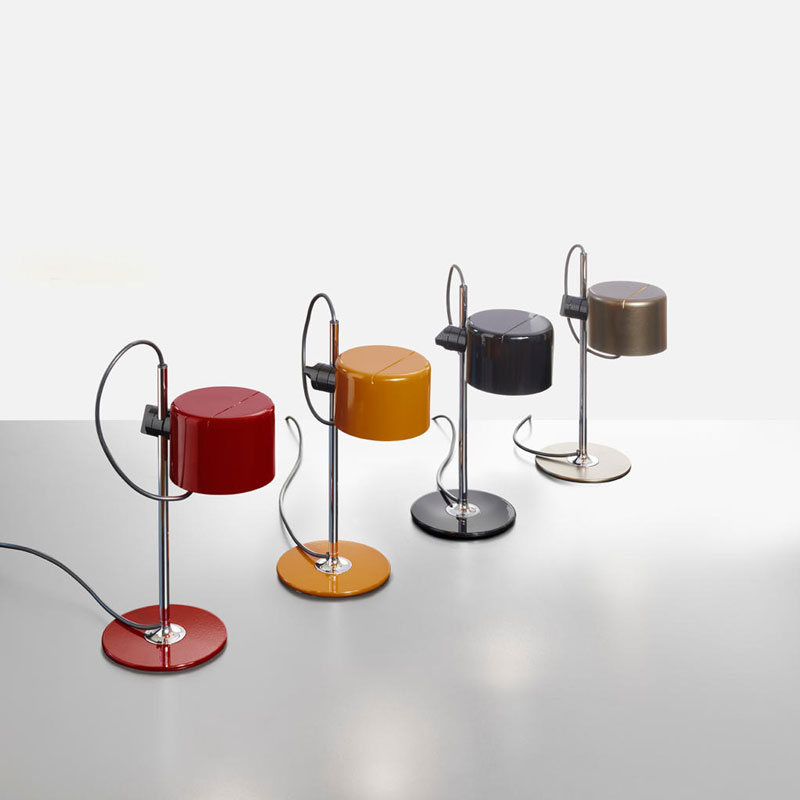
Mini Coupé by Joe Colombo – OLUCE. Ideal as a desk lamp or bedside light.
Color temperature is measured in Kelvin (K) and defines the visual atmosphere of a light source.
In contemporary lighting and high-end interior design, 2700K is generally preferred for its warm and elegant rendering.
For living rooms and bedrooms, a warm light between 2200K and 2700K helps create a soft, relaxing atmosphere.
In a dining room, 2700K enhances materials and finishes while fostering a welcoming and convivial mood.
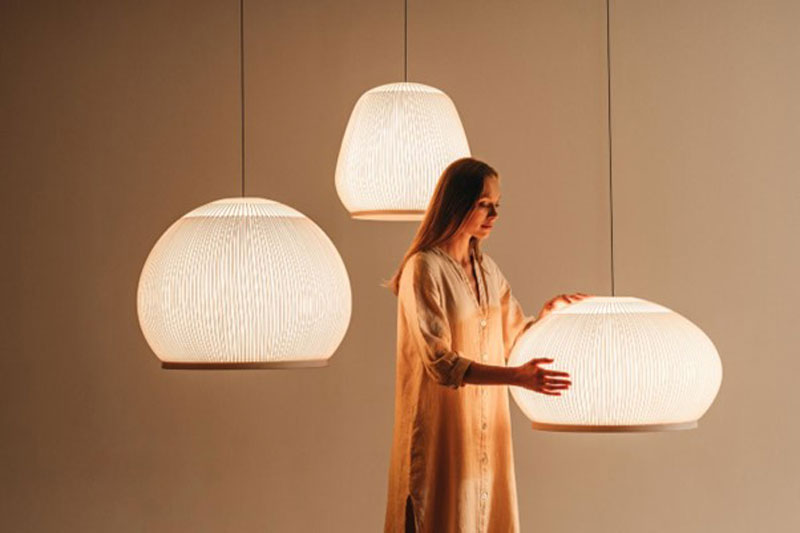
KNIT pendant light – Vibia. Knit diffuses a soft, warm glow through a textured knitted fabric. Ideal for the living room or above a dining table.
Kitchens and bathrooms often require a slightly more neutral light, typically between 3000K and 4000K, to enhance visual accuracy and clarity.
In a workspace or home office, cooler light is generally preferred, as it helps improve focus and concentration.
Modern LED systems now make it possible to adjust a fixture’s color temperature, allowing the lighting atmosphere to be adapted to different needs.
Dim-to-Warm technology gradually warms the light as its intensity decreases, shifting from a neutral white to a more intimate, cozy ambiance.
Adjustable CCT systems (also known as tunable white) allow users to directly select the desired color temperature, independently of brightness levels.
These solutions make it easy to switch between functional lighting and a more convivial, atmospheric mood.
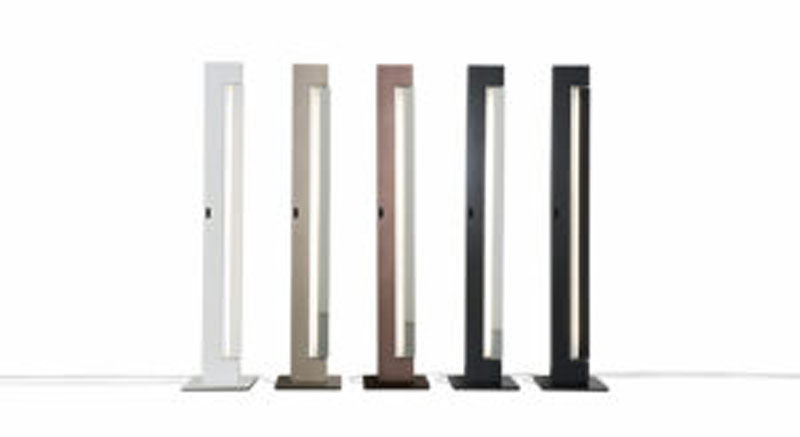
ARA FLOOR – Nemo Lighting. This floor lamp features switches that allow adjustment of the color temperature.
The CRI (Color Rendering Index), known in French as IRC (Indice de Rendu des Couleurs), measures a light source’s ability to reproduce colors accurately.
The scale ranges from 0 to 100:
In contemporary or high-end interiors, a high CRI is essential to properly highlight furniture, materials, and finishes. For quality residential lighting, a minimum CRI of 85 is recommended.
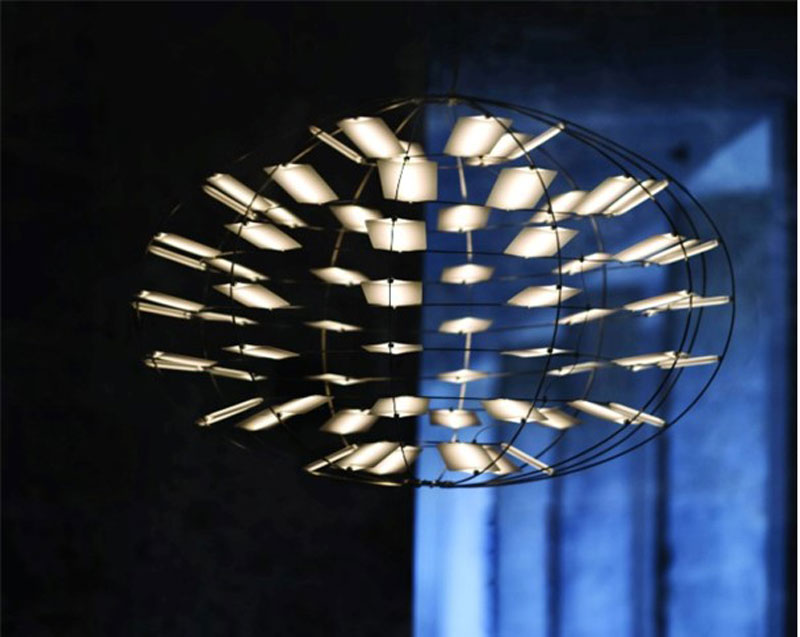
Chloris pendant light – Nemo Lighting. A weightless luminous sculpture, CRI > 90.
The IP (Ingress Protection) rating indicates a luminaire’s level of protection against dust and moisture. The first digit refers to protection against solid particles, while the second refers to protection against water.
Keep in mind that the higher the IP rating, the more demanding the technical design becomes, particularly in terms of sealing and thermal management.
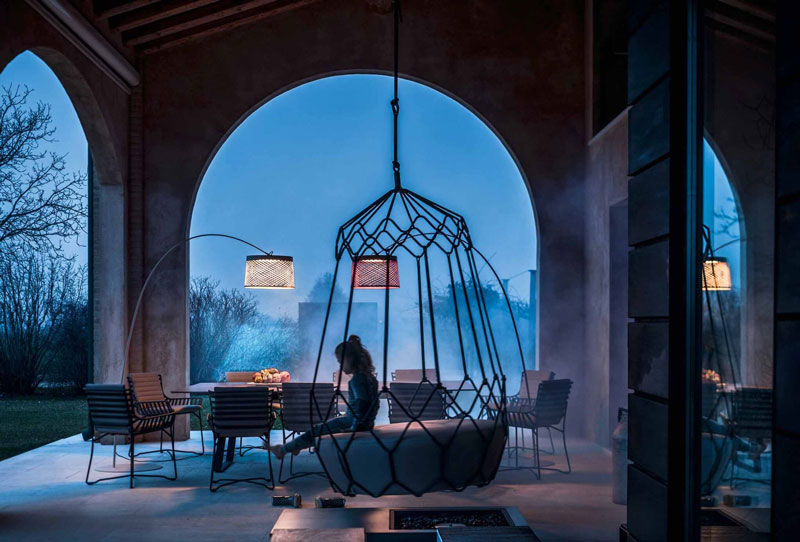
Twiggy Grid Outdoor floor lamp – Foscarini.
Dimming allows you to vary light intensity in order to adapt the lighting to the time of day or the desired atmosphere. Today, dimming has become an essential tool for both comfort and lighting design.
TRIAC is the most common dimming system in residential applications.
It is compatible with many standard wall dimmers and relatively easy to install.
However, compatibility between the dimmer and the LED driver is essential to avoid flickering, buzzing, or unstable performance.
DALI (Digital Addressable Lighting Interface) is mainly used in architectural projects and high-end lighting installations.
It enables extremely precise control of luminaires and allows the creation of complex lighting scenarios.
However, it requires dedicated wiring and compatible drivers.
These analog dimming systems are often used in commercial or technical projects.
They offer excellent stability but require additional wiring.
Many contemporary lighting fixtures now offer control via remote, smartphone, or smart home systems.
This solution allows users to easily adjust light intensity and sometimes even color temperature. However, compatibility with the manufacturer’s ecosystem must always be verified.
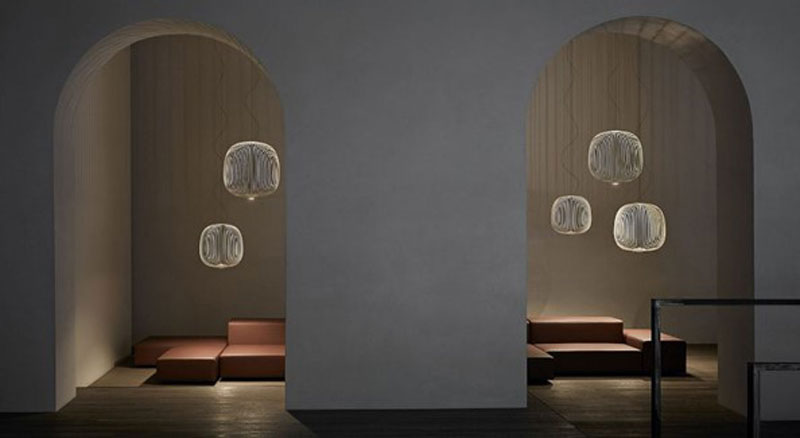
We often focus on light output, but it is the distribution of light that truly makes the difference. A well-balanced lighting design, spread across different heights, is always more comfortable than a single powerful light source.
The most successful and refined lighting schemes combine multiple sources to create depth, visual comfort, and varied atmospheres throughout the day.
This approach is based on three complementary layers.
General lighting provides the primary illumination of a room. It can be achieved through a designer pendant light, ceiling fixture, recessed spotlights, or track lighting. Its role is to ensure a consistent and even level of brightness throughout the space.
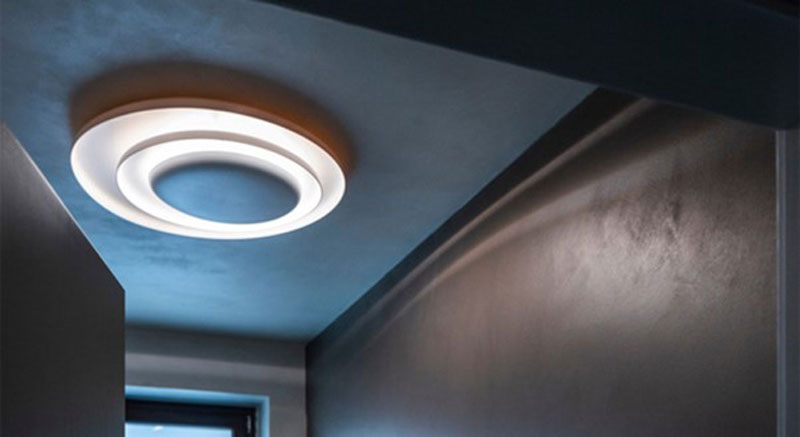
Bahia ceiling light – Foscarini.
Functional lighting is designed to illuminate a specific area dedicated to a particular activity. This may include a kitchen worktop, a desk, a reading corner, or a bathroom mirror. This type of lighting enhances both comfort and visual precision.
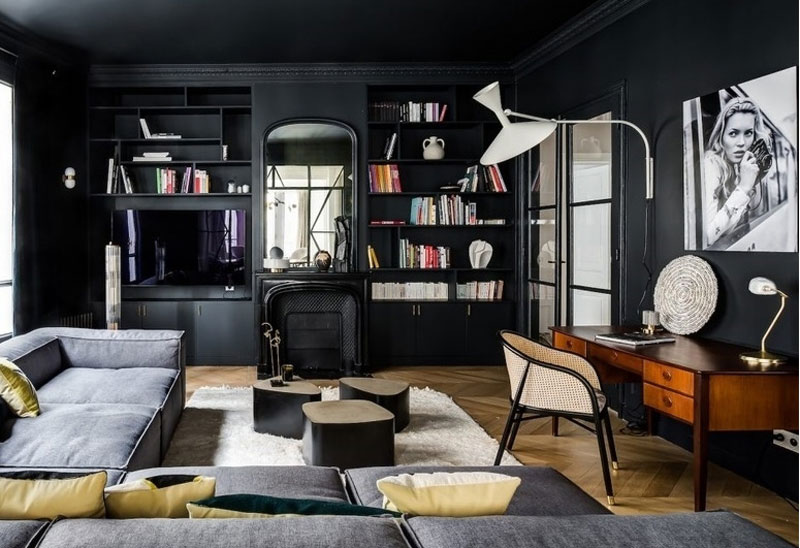
Lampe de Marseille, iconic creation by Le Corbusier – Nemo Lighting.
Ambient lighting adds depth and creates a warmer, more inviting atmosphere.
Floor lamps, wall sconces, table lamps, or indirect lighting help visually structure an interior and give it more character.
The most successful lighting designs are always based on layering these different light sources to achieve a result that feels more natural, comfortable, and architecturally balanced.
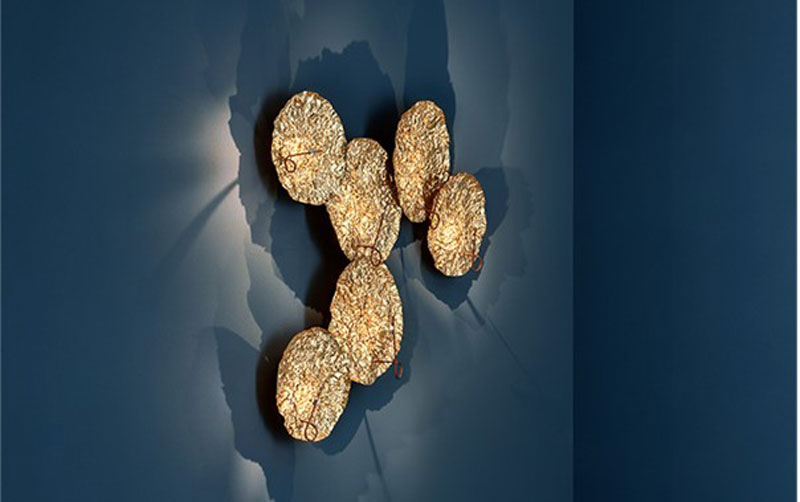
Gold Moon wall light – Catellani & Smith
In a contemporary interior, the quality of light is often more important than luminous power itself. Well-designed lighting enhances materials, creates depth, and significantly improves visual comfort over time.
The choice of a luminaire should therefore never be based on aesthetics alone. It must be considered as a true architectural element of the space, capable of structuring volumes and shaping a coherent atmosphere.
Lumens, lux, color temperature, CRI, beam angle, IP rating, and dimming systems are all essential parameters for designing interior lighting that is comfortable, aesthetically refined, and built to last.
*Not valid in conjunction with any other ongoing promotions.